Automotive locksmith
Car Key Programming: Why Some Replacement Keys Need More Than Cutting
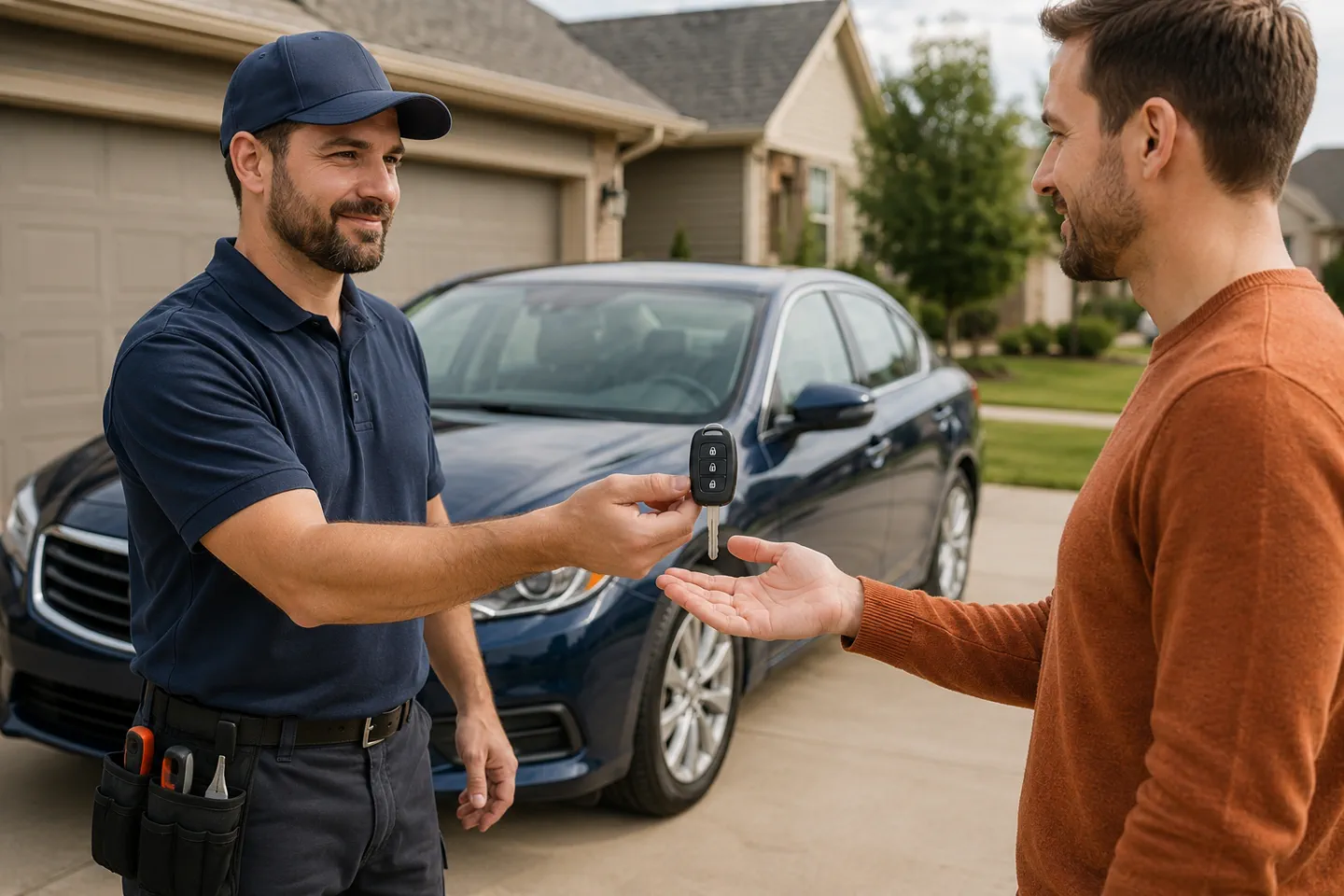
A replacement car key can look finished long before it actually is. The blade may turn, yet the engine will not start. The engine may start, yet the buttons do nothing. That is because a modern vehicle key can contain several separate systems—and cutting the metal portion is only one possible part of the work.
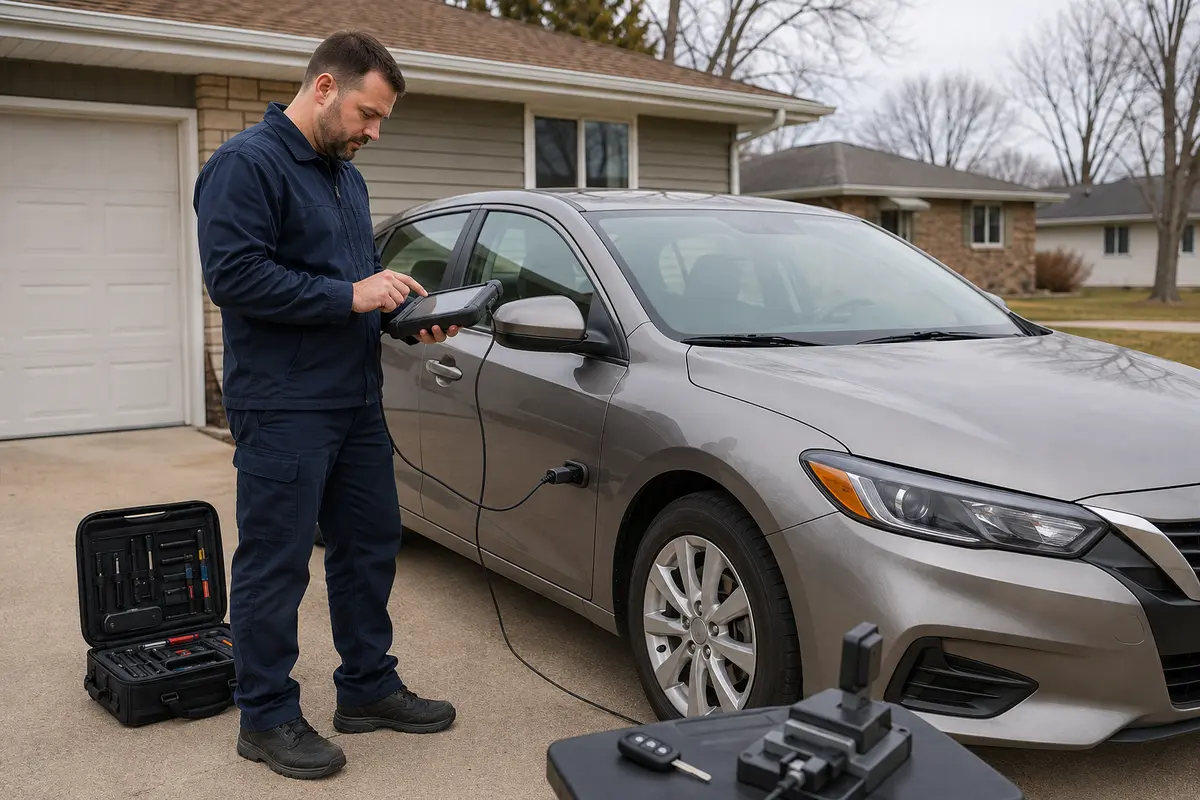
Car key programming authorizes a compatible transponder, remote, or proximity fob to work with a specific vehicle. A complete replacement may also need a cut emergency blade and testing of door access, starting, lock/unlock, trunk, panic, remote-start, and passive-entry functions where equipped.
A replacement car key can look finished long before it actually is. The blade may turn, yet the engine will not start. The engine may start, yet the buttons do nothing. That is because a modern vehicle key can contain several separate systems—and cutting the metal portion is only one possible part of the work. Continue with the complete library of automotive locksmith guides when you want to compare related decisions.
Key takeaways
- A vehicle key can combine a mechanical blade, transponder, remote controls and proximity functions.
- A matching shell is not enough; exact electronic compatibility must be confirmed.
- Programming cannot repair an incompatible fob, worn door cylinder, weak vehicle battery or damaged receiver.
- Bring every key you want to retain and ask what functions will be tested before service closes out.
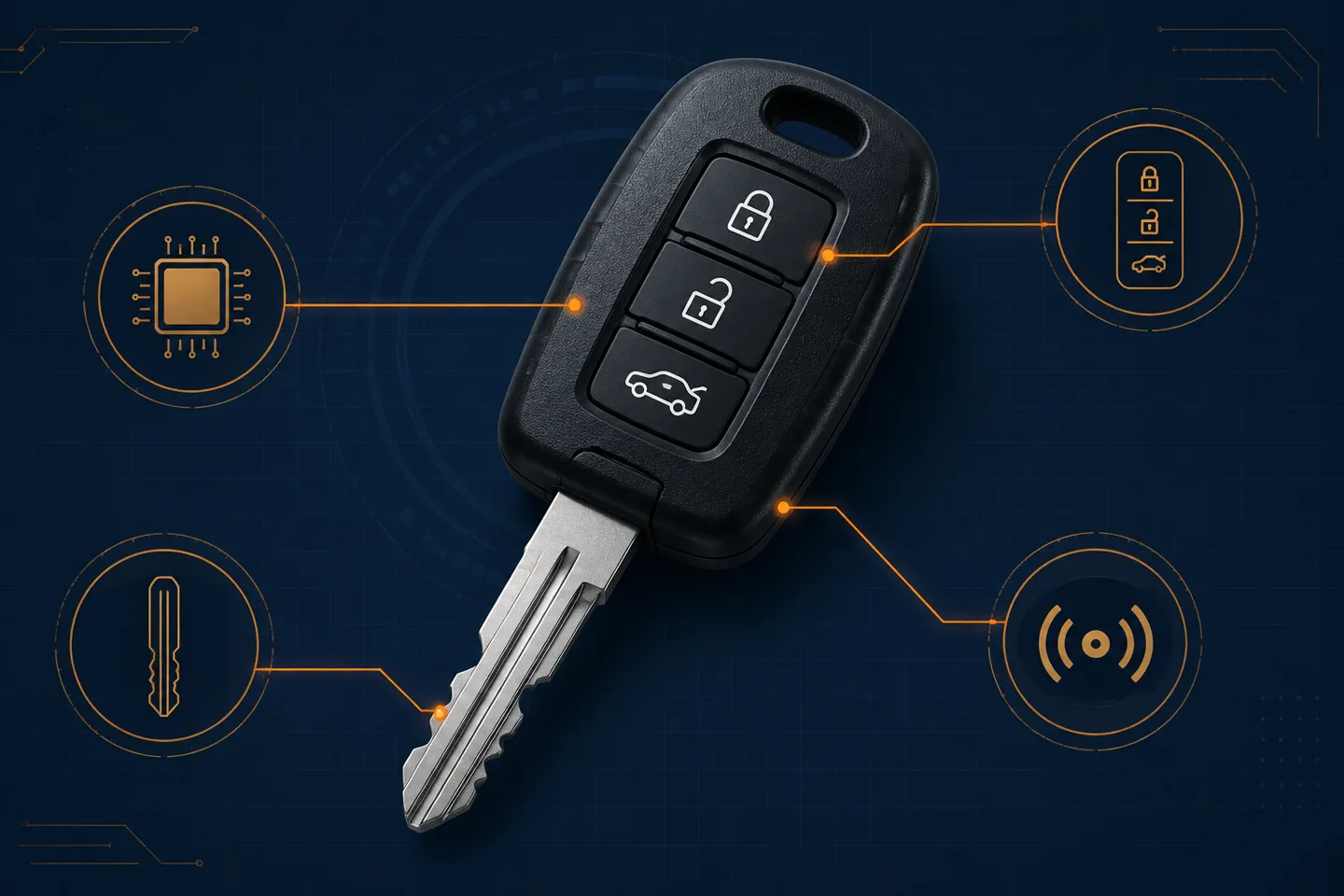
A modern car key is often four systems in one
Start with the mechanical blade. Depending on the vehicle, it may open the door, operate an ignition cylinder, or sit inside a proximity fob as an emergency backup. A properly cut blade is important, but it does not automatically authorize the engine or pair the remote buttons. If this condition matches your situation, review the service scope for car key programming.
Next is the transponder: a small electronic credential the vehicle recognizes before it permits a start. Remote buttons can be a separate function, handling lock, unlock, trunk, panic or remote start.
Proximity systems add passive entry and push-button start. One compact fob can carry all four layers, which explains why a nearly identical replacement can still be wrong.
Did you know a key can be successful at one layer and fail at another? That is why ‘it turns on once’ is not a sufficient final test. The goal is a credential that performs every promised function reliably, not a temporary-looking success that leaves you stranded later.
Compatibility comes before programming
Programming is not a universal spell that makes any fob work with any car. The replacement must be compatible with the vehicle’s make, model, year, trim, start method, frequency, transponder family and sometimes its production range. Two fobs can share a shape and button layout while using different electronics inside. If this condition matches your situation, review the service scope for key fob replacement.
The official NHTSA VIN decoder (opens in a new tab) is a useful starting reference when confirming basic vehicle information. It is not a complete parts catalog, and it cannot account for a replaced ignition, module, door cylinder or imported component. That is why accurate identification combines the VIN with what is physically on the vehicle and any working credential.
Used or bargain fobs deserve an extra question: can this exact unit be prepared and programmed for this vehicle? Some can; others retain prior data, lack the right electronics, or have worn buttons and weak boards.
Confirm first, then buy. The reverse order is where many ‘great deals’ become a drawer full of tiny plastic regrets.
What programming can do—and what it cannot
Programming can register a compatible transponder with the immobilizer, synchronize supported remote buttons, or enroll a proximity credential with the vehicle. The exact steps vary by manufacturer and vehicle generation, and they should not be treated as a generic DIY recipe. Responsible service also verifies that adding a key will not unintentionally affect keys the owner wants to keep. If this condition matches your situation, review the service scope for car key replacement.
Programming cannot cut a blade, repair a cracked fob board, replace a dead vehicle battery, correct radio interference, fix a failed receiver, or make incompatible electronics become compatible. If the vehicle reports success but the fob has poor range or the buttons do not work, the next step is diagnosis—not repeatedly running the same procedure and hoping the car changes its mind.
For push-button vehicles, the backup-start method and emergency blade deserve specific attention. A fob battery may fail before the vehicle battery does, and a mechanical backup that was never cut or tested offers little help at that moment. Test it while the situation is calm.
Why a working key changes the appointment
When one working key remains, it gives the service technician a real reference point. It can help verify door operation, remote behavior, starting and feature expectations.
For some vehicles, it can also change the available supported method for adding another key. That is one reason making a spare before the last key fails is smart preventive maintenance.
When no working key remains, the task becomes broader. The vehicle must be identified, access and authorization must be established, the correct key must be selected, and electronic functions must be registered and tested. Some makes, model years and luxury or newer systems may involve additional security requirements or require dealership coordination.
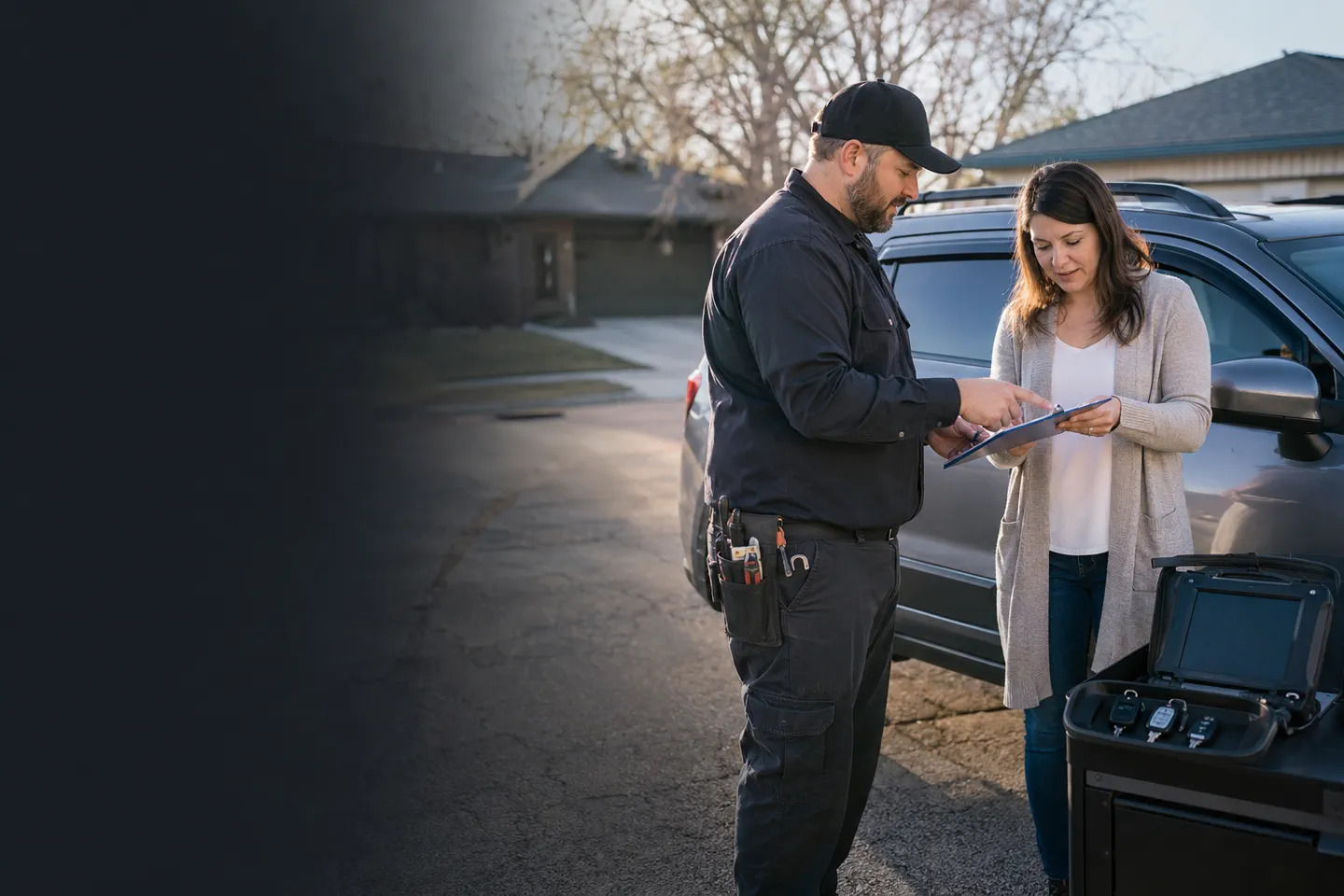
Bring every existing key or fob you want to keep. Some procedures add a credential; others can rewrite the active list. Asking whether retained keys need to be present and whether missing keys will remain authorized is more useful than assuming all vehicles behave the same way.
A short testing checklist prevents a partial fix
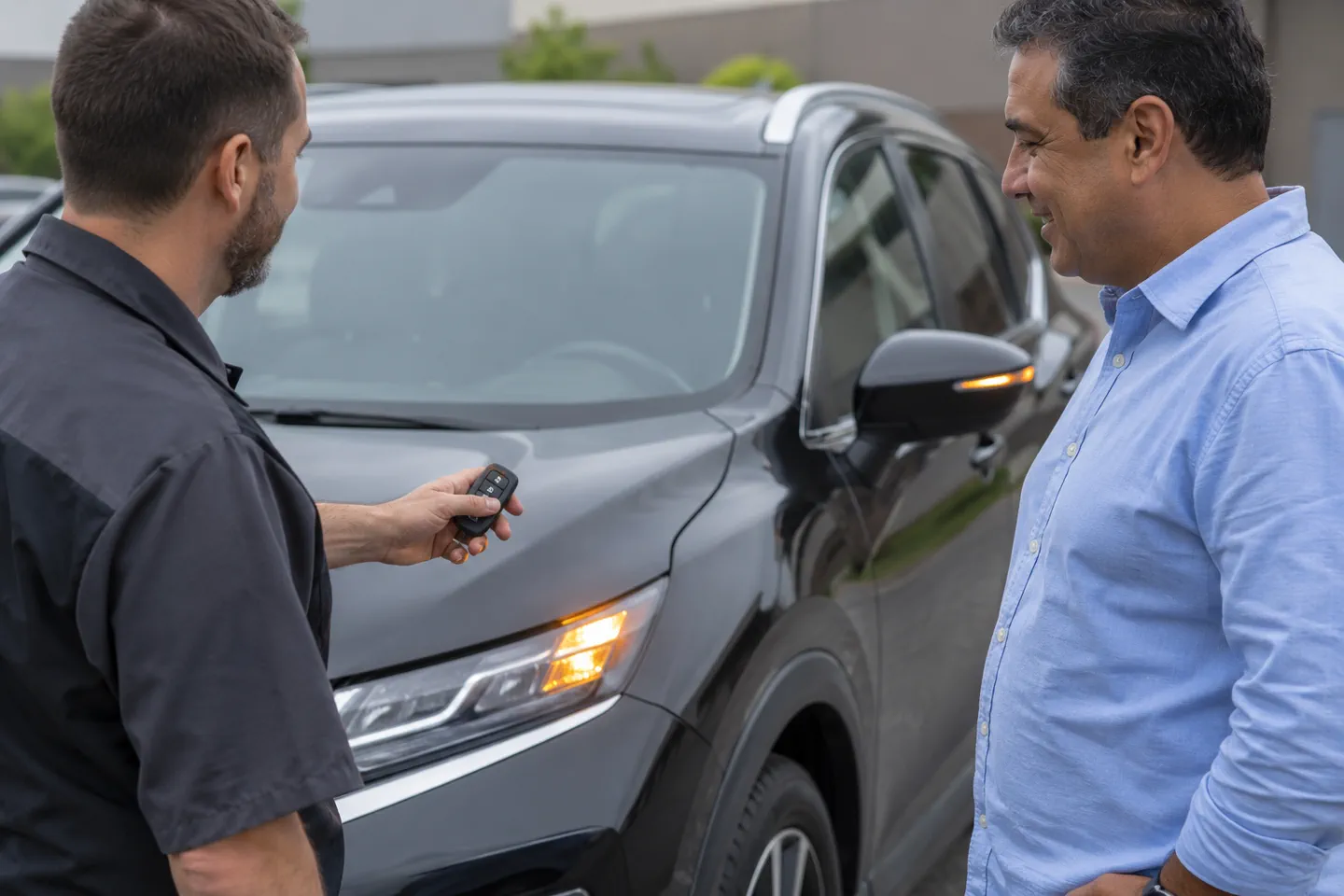
Test the key with the vehicle in the actual conditions it will face: at the driver door, at the ignition or start button, and at a normal distance for the remote. Check lock, unlock, trunk or hatch, panic, remote start and passive entry where equipped. If there is a mechanical blade, test it gently in the intended door cylinder without forcing it.
If the vehicle still has a warning light, unusual no-start behavior, very short remote range, or an inconsistent door lock, note that before the appointment ends. A key replacement can reveal a separate vehicle condition, but it does not automatically cause one. Clear notes protect the owner from confusing two different problems.
While you have the VIN available, check the NHTSA recall lookup (opens in a new tab) for any open manufacturer safety recalls. It is not a programming tool, but it is a sensible ownership habit and may surface a vehicle issue that should be handled by the manufacturer rather than blamed on a newly programmed key.
Frequently asked questions
Questions readers ask
Why does my new key open the door but not start the car?
The mechanical blade and electronic transponder are separate systems. The blade may be correct while the transponder is incompatible, not authorized, or the vehicle has a separate immobilizer-related issue.
Can a key be programmed if the original is missing?
Often, yes, subject to vehicle compatibility, ownership verification and the required security procedure. All-keys-lost service is usually more involved than adding a spare.
Will programming erase my old keys?
It depends on the vehicle and procedure. Ask whether all retained keys need to be present and whether a missing key will remain active in the vehicle's credential list.
The right solution depends on the specific lock, door, vehicle or garage door system. Check the Wichita-area service pages, then call or send the details for an evaluation.