Garage door repair
Is Your Garage Door Getting Louder? Five Sounds Worth Checking
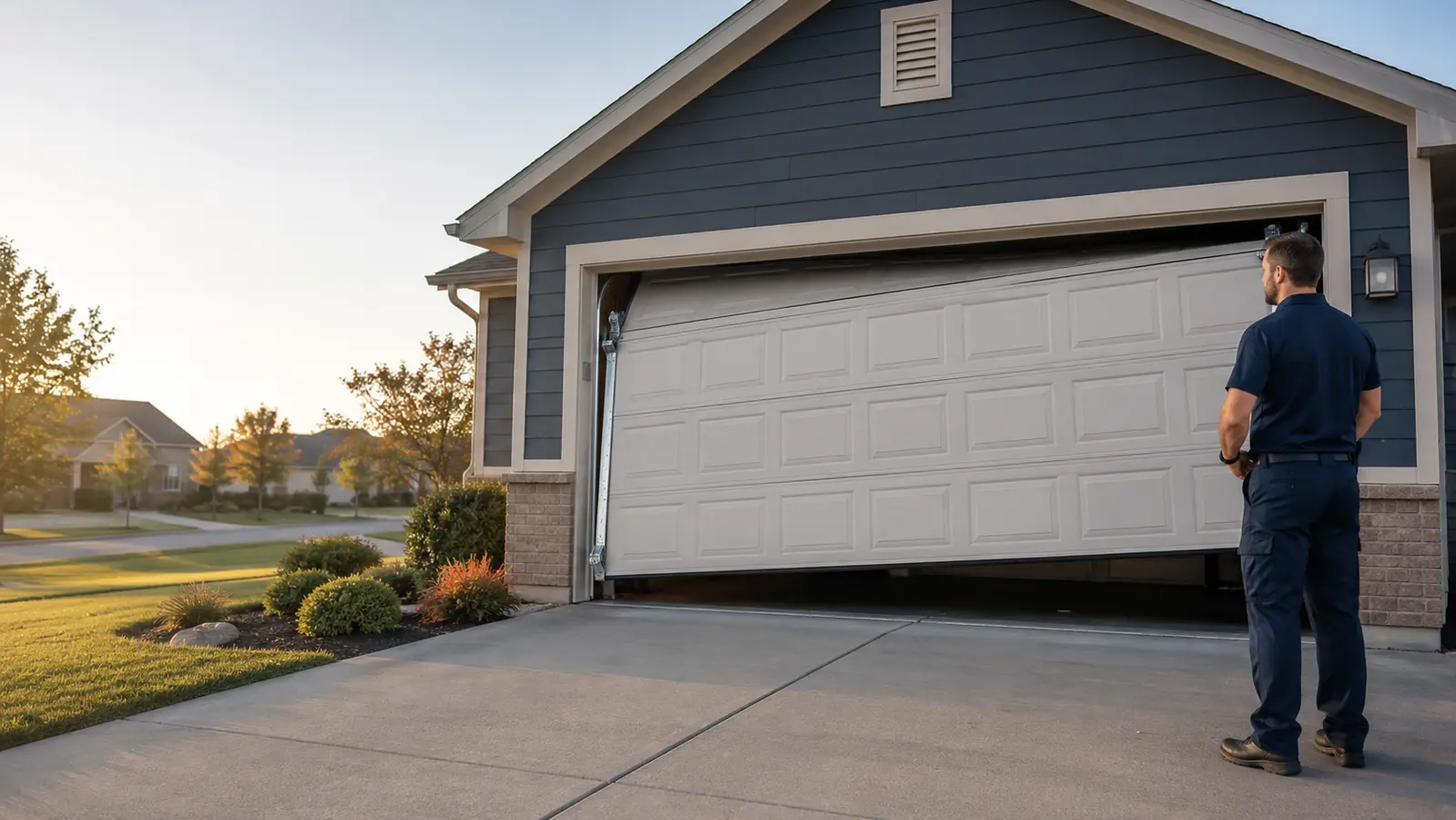
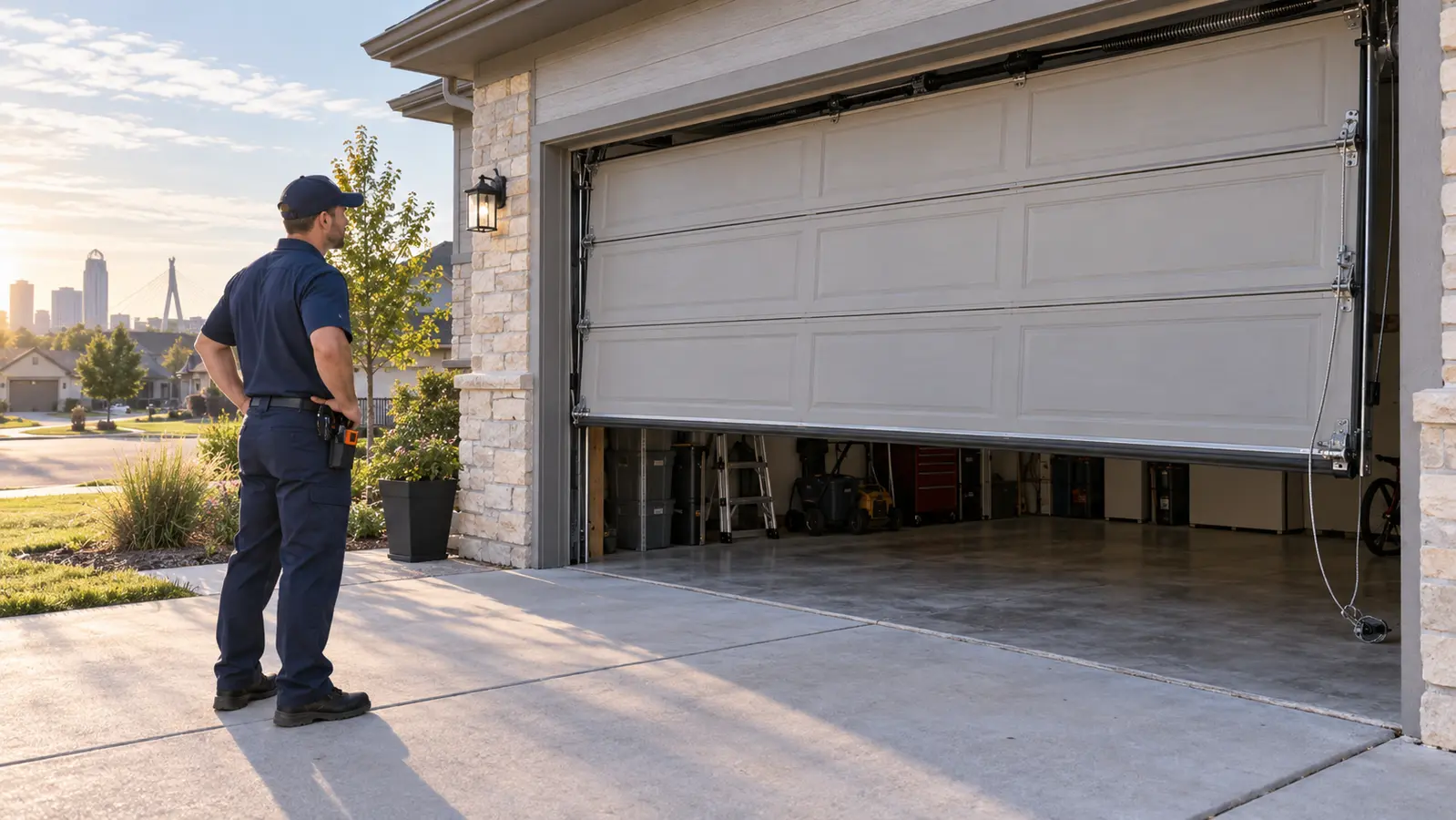
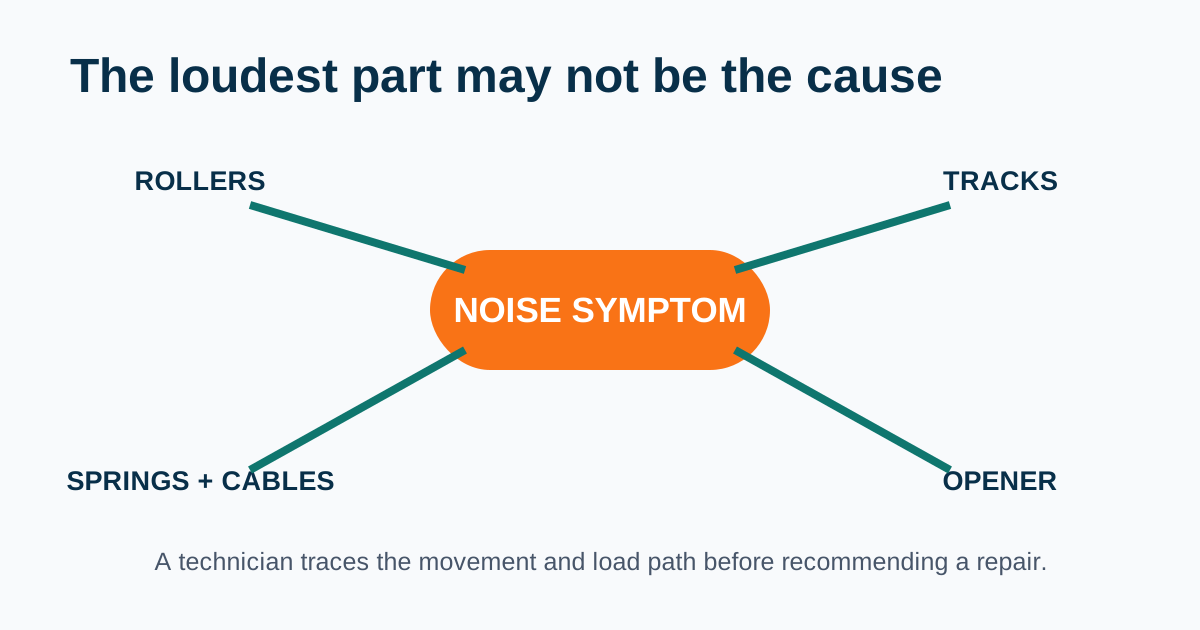
Garage doors are not silent appliances, but they should not suddenly audition for a percussion section. A new scrape, sharp pop, rumble, or strained hum can be an early warning that a roller, hinge, track, spring, cable, or opener needs attention. The useful question is not simply “How do I make it quieter?” It is “What changed, when does it happen, and is the door still moving evenly and safely?”
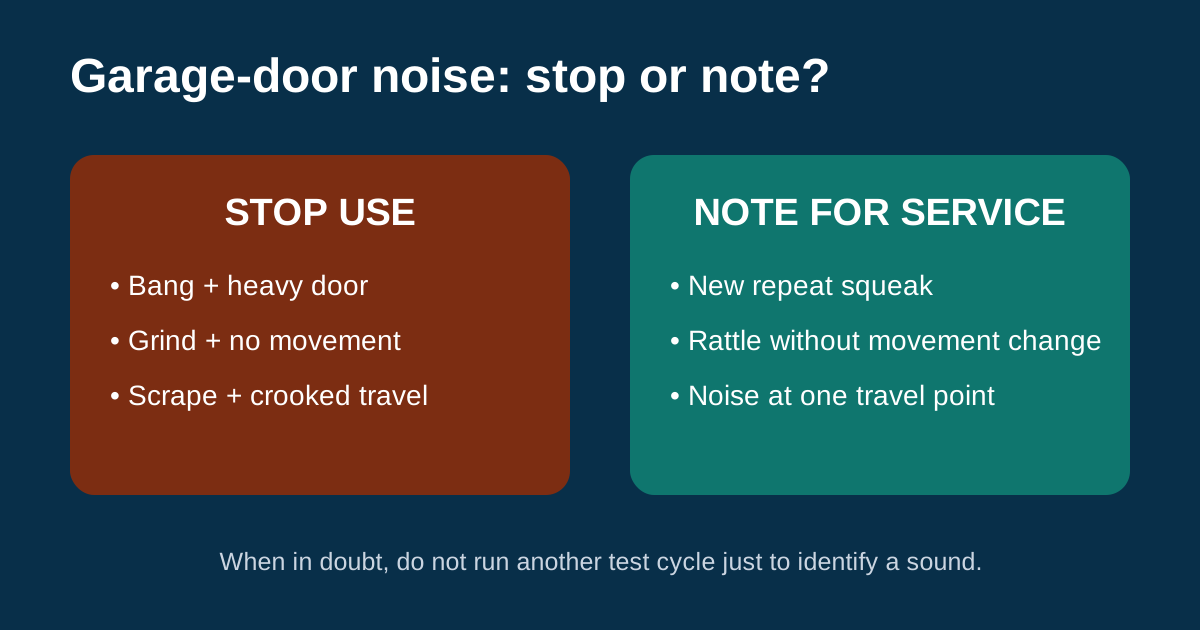
New grinding, scraping, popping, banging, or opener-strain sounds should be taken seriously—especially when they come with shaking, uneven travel, a heavy door, loose hardware, or a door that stops mid-cycle. Stop using the door if it moves abnormally. A garage-door technician should diagnose the system rather than treating every noise as a lubrication problem.
Garage doors are not silent appliances, but they should not suddenly audition for a percussion section. A new scrape, sharp pop, rumble, or strained hum can be an early warning that a roller, hinge, track, spring, cable, or opener needs attention. The useful question is not simply “How do I make it quieter?” It is “What changed, when does it happen, and is the door still moving evenly and safely?” Continue with the complete library of garage door repair guides when you want to compare related decisions.
Key takeaways
- A new sound is more important than a familiar normal operating sound.
- Noise combined with shaking, binding, or uneven travel is a reason to stop using the door.
- Do not spray every component or tighten spring hardware at random.
- A short description of when the sound occurs helps a technician find the root cause.
Start with what changed
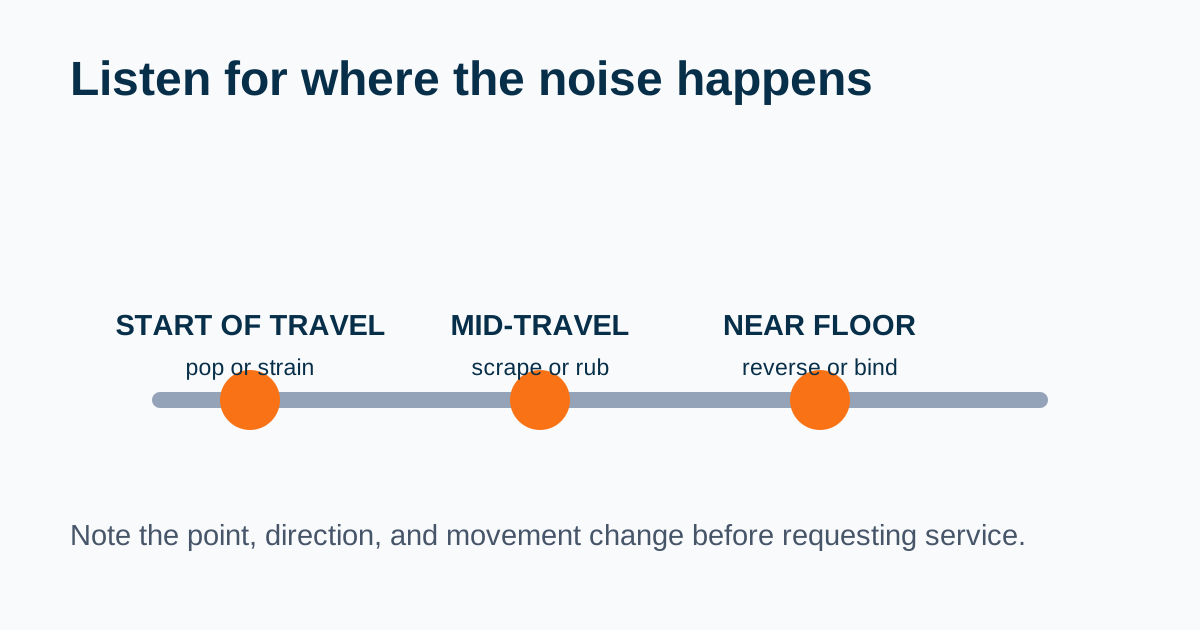
A garage door may click, roll, and hum during normal operation. The concern is a sound that is new, sharper, louder, or tied to a change in movement. Notice whether it happens while opening, closing, near the floor, above the header, or only when the door is under load. If this condition matches your situation, review the service scope for garage door repair.
Also watch the door from a safe distance. Is it traveling evenly?
Does one side hesitate, does the top panel flex, or does the opener rail shake? Sound is a clue, but it works best alongside visible behavior rather than as a stand-alone diagnosis.
Do not keep running the door just to hear the noise again. If the sound is paired with a heavy door, visible cable issue, crooked travel, or a door that will not stay put, stop and keep clear of the opening. A remote is not a diagnostic tool.
1. Grinding or straining from the opener
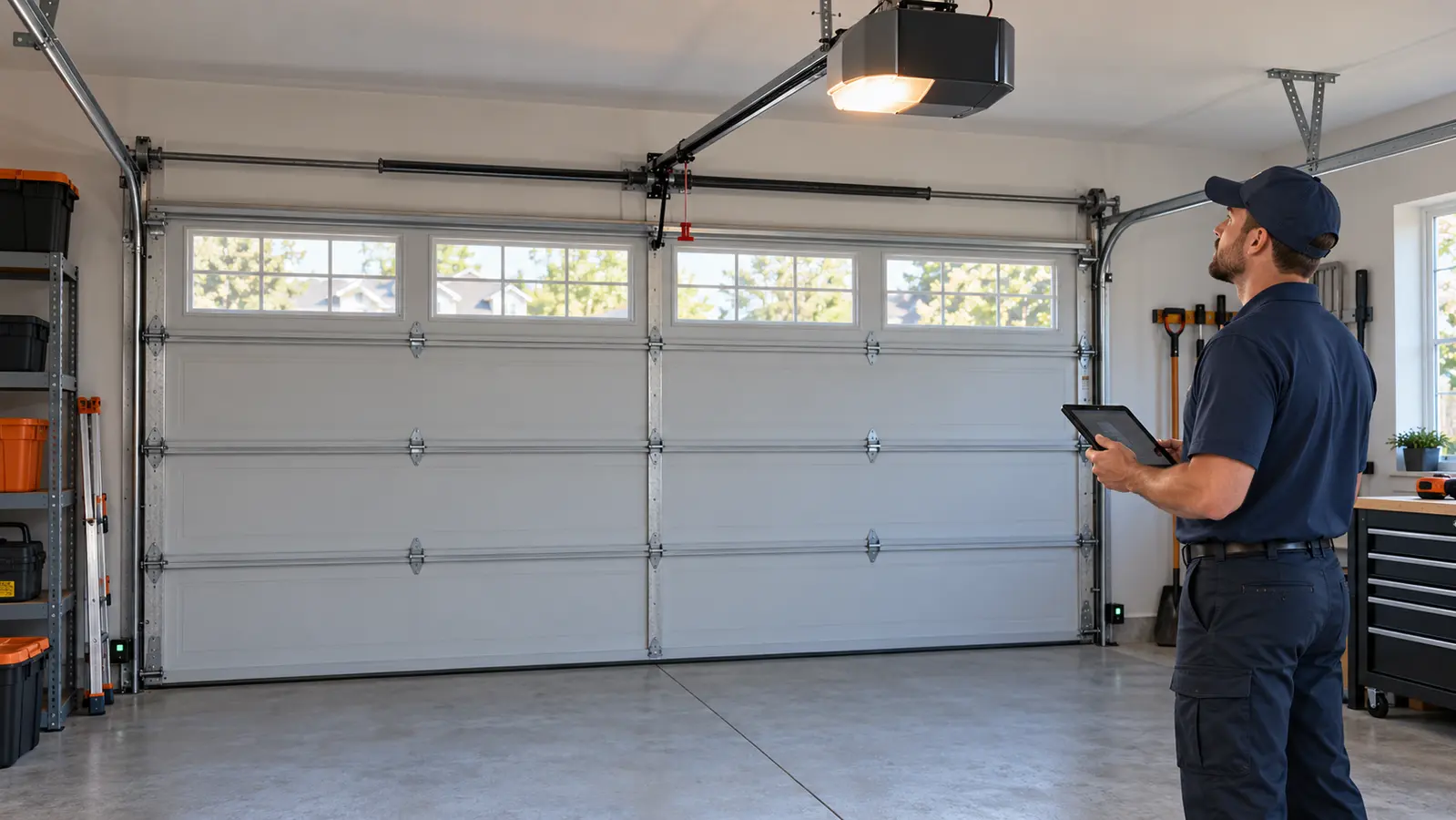
A grinding, buzzing, or strained motor sound can come from the opener’s drive components, but it can also be the opener protesting a door that has become hard to move. A broken spring, binding track, worn roller, cable issue, or damaged section can make the operator work far harder than it should. If this condition matches your situation, review the service scope for garage door spring repair.
If the motor runs while the door barely moves, do not raise force settings and try again. More force does not restore balance and may damage gears, the rail, or the top section. The technician needs to determine whether the trouble begins in the opener or in the door system it is trying to move.
Write down whether the trolley moves, the light comes on, the wall button behaves differently from the remote, and whether the door shifts at all. Those details are far more useful than a vague report that “the motor sounds weird.”
| Sound | Often connected to | What to do |
|---|---|---|
| Grinding or hum with little movement | Opener strain, balance, or drive issue | Stop repeated cycles. |
| Scrape at one point | Track, roller, hinge, or panel alignment | Observe from a distance and schedule evaluation. |
| Sharp bang | Spring or cable-related event | Keep clear; do not operate. |
| Rattle or vibration | Loose hardware or support issue | Avoid DIY tightening near springs or tracks. |
| Pop during travel | Roller, hinge, spring, or track movement | Note where it occurs and have it inspected. |
2. Scraping, rubbing, or metal-on-metal sounds
A scrape at the same point during travel often points to a roller, track, hinge, panel, or alignment issue. A vehicle bump, loose support, worn roller, or gradual shift can change the way the door moves through its tracks. The noise may start small because the door can still complete a cycle—until it cannot. If this condition matches your situation, review the service scope for garage door opener repair.
Do not assume the track merely needs oil. Tracks are intended to guide the rollers, and coating every surface can collect dirt or mask a mechanical issue. Likewise, bending a track back by hand or loosening fasteners without controlling the door can make the alignment worse.
DASMA’s safety tips for garage doors emphasize observing problems rather than attempting hazardous repairs. Photograph the full door and the area where the sound appears to originate only if you can do so safely. A technician can then compare track alignment, roller condition, cable travel, and door balance.
3. Popping, snapping, or a single loud bang
A sharp bang followed by a heavy or stalled door can signal a broken torsion spring or another counterbalance event. Repeated popping can come from worn hinges, rollers, spring movement, or hardware shifting under load. The sound alone does not prove which part failed, but it does tell you not to put hands near the system.
If you see a gap in the spring above the door, a cable hanging loose, or a door rising crookedly, stop. Do not pull the emergency release while the door is raised or unstable, and do not use the opener to “help it over the rough spot.” Those actions can create uncontrolled movement.
The safest call is a calm, specific one: what sound occurred, where the door stopped, what you can see from a safe position, and whether a car is inside. That lets the garage-door technician prepare for the actual condition instead of guessing from a single noise.
This maintenance overview helps explain common noise sources. Stop using the door if noise is paired with binding, uneven movement, a loose cable, or a broken spring. Watch the source playlist (opens in a new tab).
4. Rattling or vibrating hardware
Rattling may come from loose hinges, roller stems, track supports, opener mounts, or door sections. It can also be amplified by a door that is no longer balanced. A mild rattle might be a maintenance concern; a violent vibration, shifting track, or flexing door is not something to ignore.
Avoid the temptation to tighten every visible bolt. Some hardware is part of the track system, spring assembly, or door support path, and changing it without stabilizing the door can be unsafe. The location and hardware type matter.
Manufacturer maintenance instructions can help with the routine items an owner is allowed to inspect. They do not make spring adjustment, cable work, or major alignment correction a DIY task. When the noise is new or the door moves differently, diagnosis should come before lubrication or tightening.
- Note whether the sound occurs opening, closing, or both.
- Watch for shaking, rubbing, or a crooked door.
- Keep hands away from springs, cables, drums, and bottom brackets.
- Do not bypass safety sensors or increase force settings.
- Record the make of the opener if it is visible.
5. Squeaks that sound minor—but keep returning
A light, familiar squeak can be routine, especially with changing temperature and normal wear. But a squeak that gets louder, repeats at one spot, or arrives with hesitation can point to a roller, hinge, bearing, track, or balance problem. The pattern matters more than the volume alone.
A technician can inspect the entire travel path and determine whether a specific component needs service, adjustment, or replacement. The goal is not merely to make the door quieter for a week; it is to confirm that it is traveling evenly and not overloading the opener.
After service, watch one complete cycle from a safe location. The door should move smoothly without new rubbing, jerking, or strain. For garage doors, “uneventful” is the gold standard.
Frequently asked questions
Questions readers ask
Why is my garage door suddenly so loud?
New noise can be caused by rollers, hinges, tracks, springs, cables, loose hardware, or opener strain. The movement pattern helps identify the cause.
Can I lubricate a noisy garage door myself?
Follow the manufacturer’s routine maintenance instructions, but do not use lubrication to dismiss grinding, heavy movement, loose cables, or visible damage.
Should I keep using a noisy garage door?
Stop use if the sound comes with shaking, uneven travel, heavy movement, rubbing, a loose cable, or a door that will not complete a normal cycle.
The right solution depends on the specific lock, door, vehicle or garage door system. Check the Wichita-area service pages, then call or send the details for an evaluation.