Residential locksmith
A Home Security Walkthrough for Locks, Doors and Key Control
A useful home security review is not a product-shopping list. It documents every access point, who can use it, whether the door closes and locks reliably, what the surrounding frame supports, and how the household behaves on ordinary and unusual days.
Walk the property in a fixed order and record every exterior door, patio panel, attached-garage entry, detached building, gate and accessible window. Test closing, latching and locking; inspect keys, codes, frames, strikes and hinges; identify lighting and visibility; then rank findings by life safety, inability to secure, known credential exposure, recurring failure and convenience. Address verified weaknesses in that order.
A useful home security review is not a product-shopping list. It documents every access point, who can use it, whether the door closes and locks reliably, what the surrounding frame supports, and how the household behaves on ordinary and unusual days. Continue with the complete library of residential locksmith guides when you want to compare related decisions.
Key takeaways
- Inventory comes before upgrades.
- Reliable closing and latching are foundational.
- Key and code history can matter even when hardware looks new.
- Visibility, lighting and household habits are separate layers.
- Prioritize actual failure and exposure over fear-based packages.
Create an opening inventory
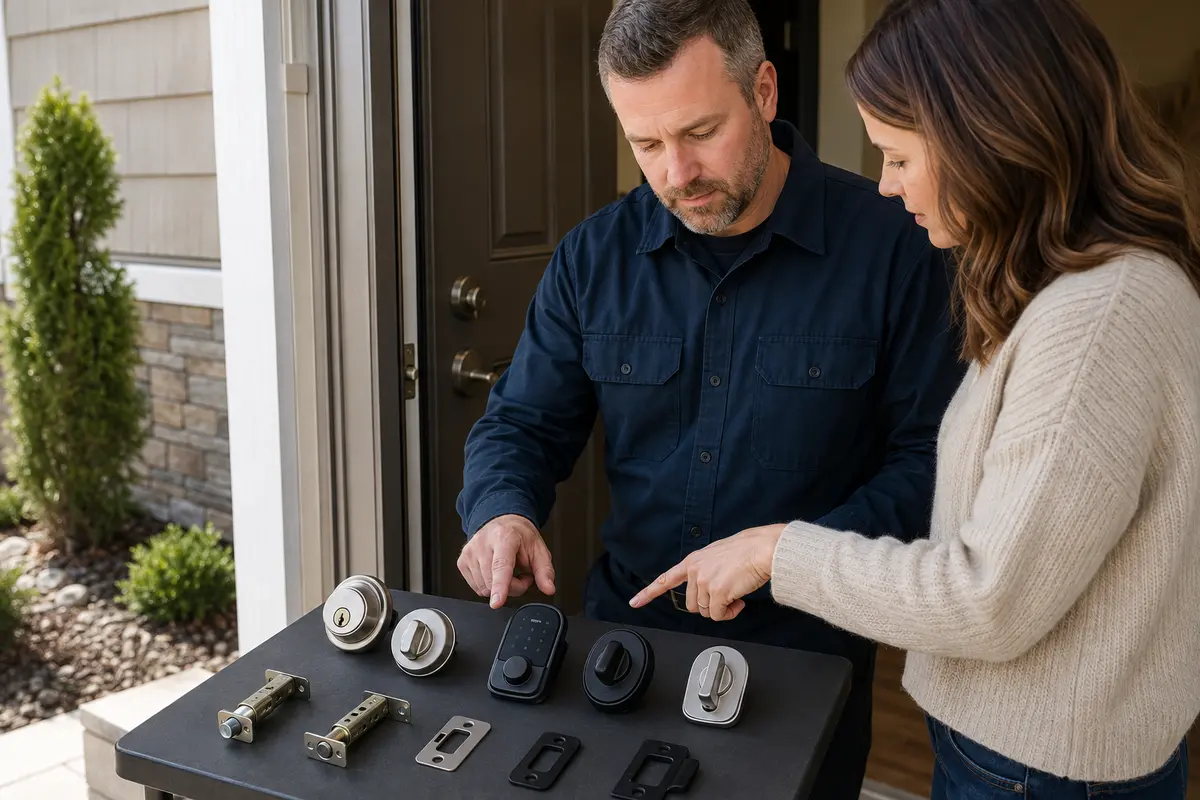
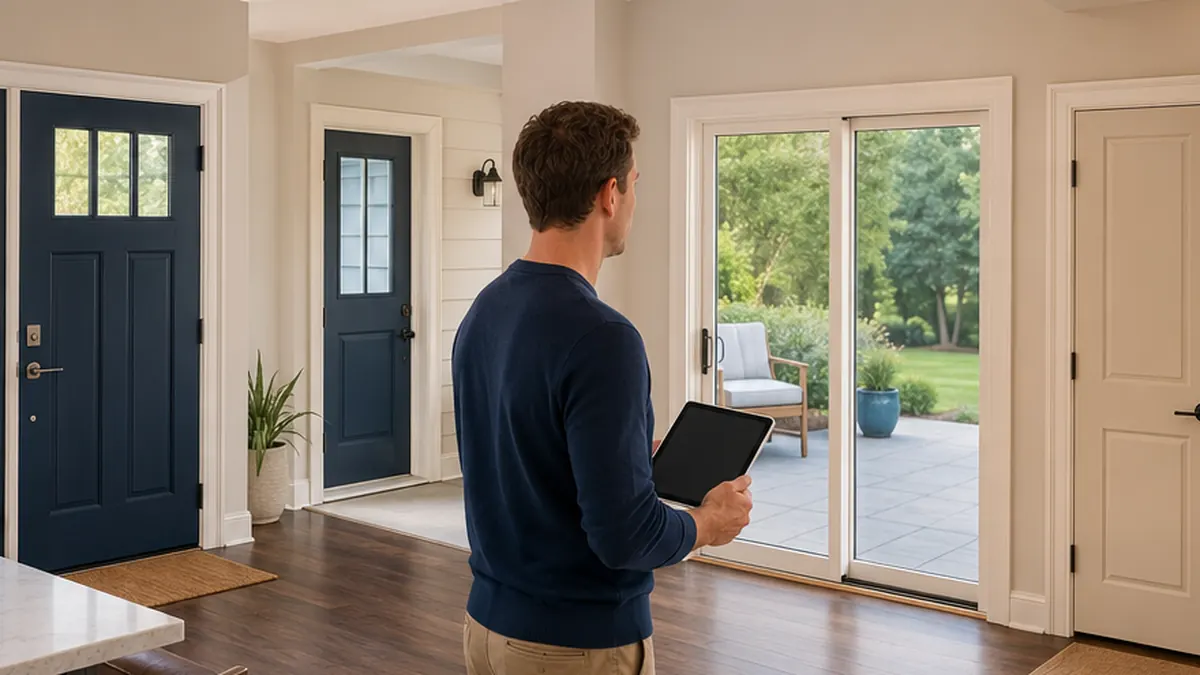
Unrecorded secondary doors become blind spots. Front, side, patio, garage, basement, outbuilding and gate access may use different systems.
This distinction matters because the visible symptom is not always the failed component, and a useful request should describe what the complete opening does rather than name a replacement part before inspection. For a planned residential service decision, separating observation from assumption helps the responding independent contractor arrive with better context and reduces the chance that an unrelated alignment, frame, key-control or hardware issue is overlooked. If this condition matches your situation, review the service scope for residential locksmith.
Work through the condition in a controlled order. Walk clockwise. Name each opening.
Record hardware. Note who uses it. These observations can be shared by phone or through the service-request form without dismantling the lock or forcing the door.
Do not recommend products until the full inventory exists. The contractor should still confirm the diagnosis, explain the available scope and provide the price before authorized work begins.
Illustrative scenario: the front door is upgraded while a side mudroom lock remains unreliable. The example is not a report of a Heartland customer or completed job; it shows how the same initial complaint can lead to different next steps after the door, frame, lock and access history are considered together.
Inspect from safe lawful areas only. If conditions appear unsafe, someone may be in danger or unauthorized entry may be occurring, move to safety and contact the appropriate public authority before treating the situation as an ordinary locksmith request.
Observe
Walk clockwise.
Compare
Name each opening.
Confirm
Record hardware.
Test closing, latching and locking
A door that does not close naturally will not secure consistently. Hinges, seals, closers, tracks and frame movement affect engagement.
This distinction matters because the visible symptom is not always the failed component, and a useful request should describe what the complete opening does rather than name a replacement part before inspection. For a planned residential service decision, separating observation from assumption helps the responding independent contractor arrive with better context and reduces the chance that an unrelated alignment, frame, key-control or hardware issue is overlooked. If this condition matches your situation, review the service scope for lock change.
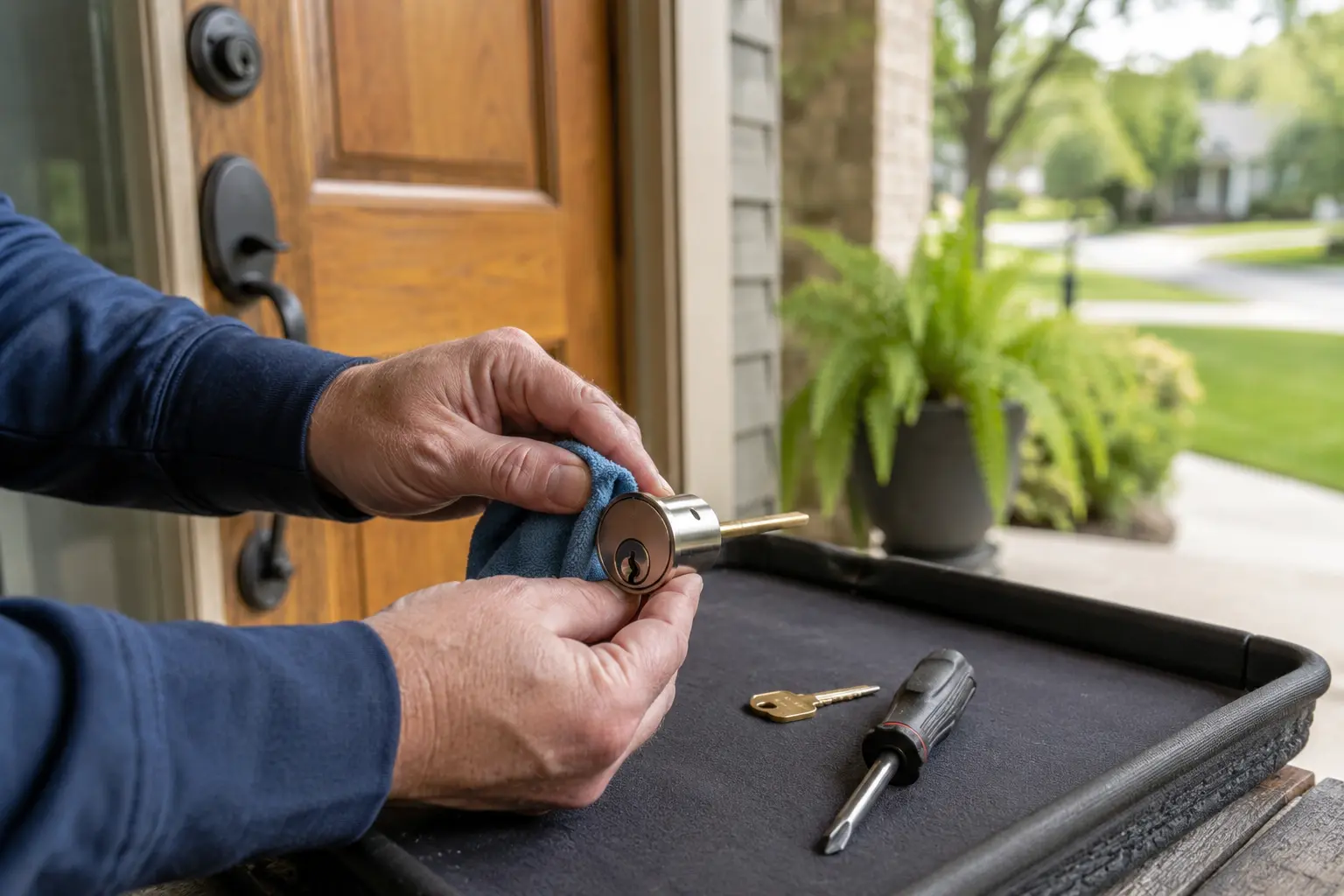
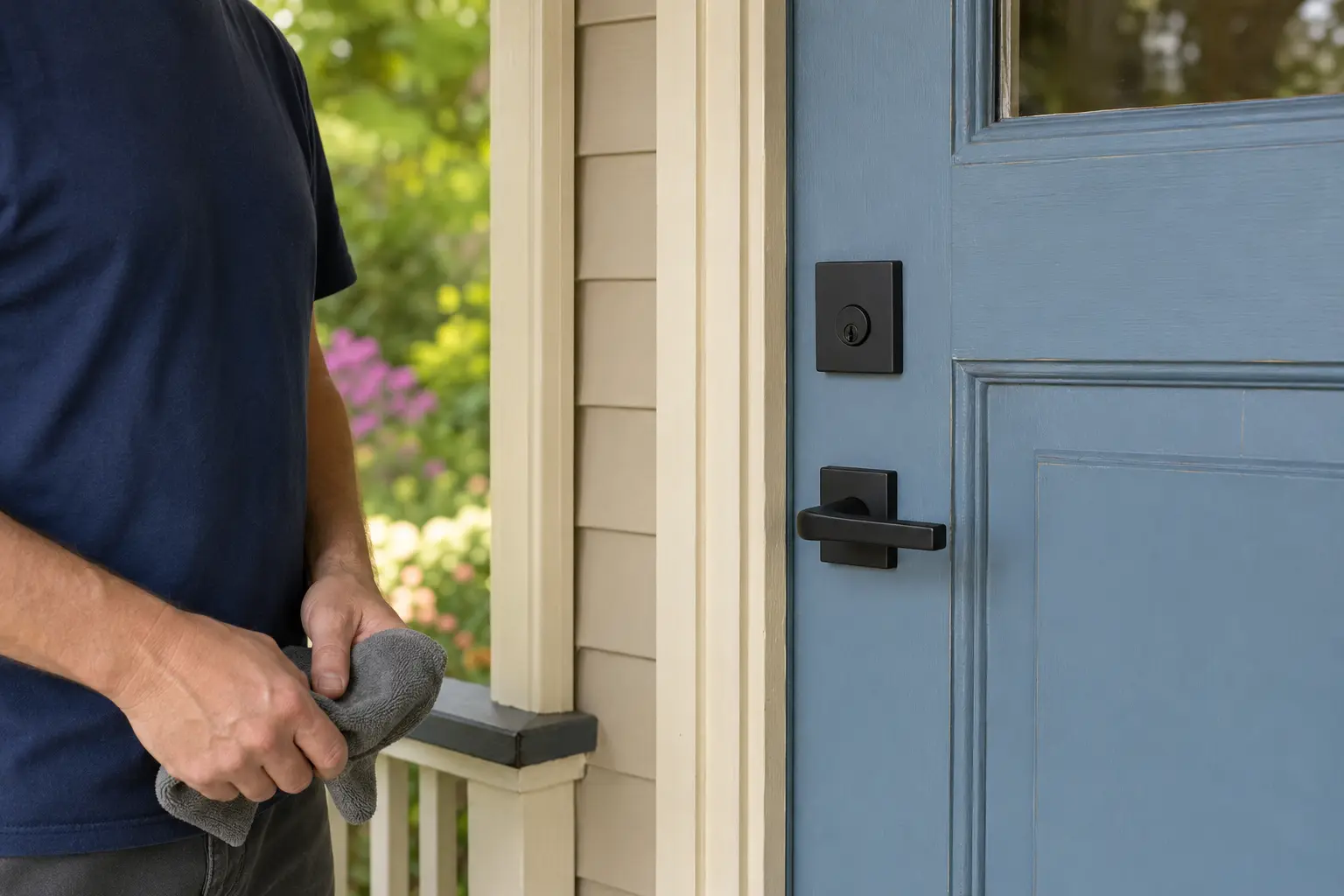
Work through the condition in a controlled order. Close without slamming. Test latch.
Operate lock open and closed. Record required pressure. These observations can be shared by phone or through the service-request form without dismantling the lock or forcing the door.
Rank inability to secure above cosmetic concerns. The contractor should still confirm the diagnosis, explain the available scope and provide the price before authorized work begins.
Illustrative scenario: a back door needs to be lifted before the deadbolt enters. The example is not a report of a Heartland customer or completed job; it shows how the same initial complaint can lead to different next steps after the door, frame, lock and access history are considered together.
Do not force or repeatedly cycle damaged hardware. If conditions appear unsafe, someone may be in danger or unauthorized entry may be occurring, move to safety and contact the appropriate public authority before treating the situation as an ordinary locksmith request.
For independent guidance, review Builders Hardware Manufacturers Association's ANSI/BHMA product grade levels (opens in a new tab).
- Close without slamming
- Test latch
- Operate lock open and closed
- Record required pressure
Review key and code control
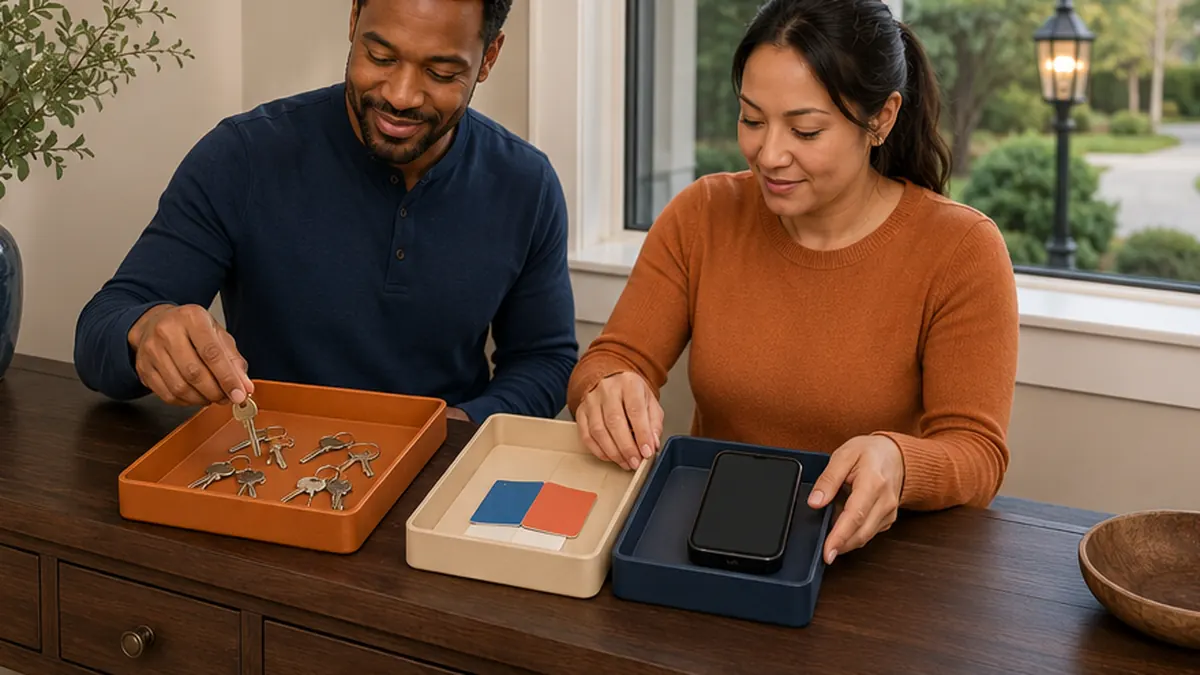
Access history can outlast ownership and relationships. Copies, shared codes, app users and remotes remain active until changed.
This distinction matters because the visible symptom is not always the failed component, and a useful request should describe what the complete opening does rather than name a replacement part before inspection. For a planned residential service decision, separating observation from assumption helps the responding independent contractor arrive with better context and reduces the chance that an unrelated alignment, frame, key-control or hardware issue is overlooked. If this condition matches your situation, review the service scope for lock repair.
Work through the condition in a controlled order. List holders. Identify unknown copies.
Remove obsolete digital users. Review spare storage. These observations can be shared by phone or through the service-request form without dismantling the lock or forcing the door.
Restore credentials after moves, turnover or unexplained loss. The contractor should still confirm the diagnosis, explain the available scope and provide the price before authorized work begins.
Illustrative scenario: an old contractor code remains active months after work ends. The example is not a report of a Heartland customer or completed job; it shows how the same initial complaint can lead to different next steps after the door, frame, lock and access history are considered together.
Do not place full addresses on keys. If conditions appear unsafe, someone may be in danger or unauthorized entry may be occurring, move to safety and contact the appropriate public authority before treating the situation as an ordinary locksmith request.
Inspect frame, strike and hinge support
Lock hardware depends on surrounding material. Cracks, loose screws, rust and sag can undermine operation.
This distinction matters because the visible symptom is not always the failed component, and a useful request should describe what the complete opening does rather than name a replacement part before inspection. For a planned residential service decision, separating observation from assumption helps the responding independent contractor arrive with better context and reduces the chance that an unrelated alignment, frame, key-control or hardware issue is overlooked.
Work through the condition in a controlled order. Check jamb. Inspect hinge movement.
Confirm bolt depth. Look for prior damage. These observations can be shared by phone or through the service-request form without dismantling the lock or forcing the door.
Include structural repair when needed. The contractor should still confirm the diagnosis, explain the available scope and provide the price before authorized work begins.
Illustrative scenario: a new deadbolt attaches to a strike whose screws spin in damaged wood. The example is not a report of a Heartland customer or completed job; it shows how the same initial complaint can lead to different next steps after the door, frame, lock and access history are considered together.
No cosmetic plate repairs unsound material. If conditions appear unsafe, someone may be in danger or unauthorized entry may be occurring, move to safety and contact the appropriate public authority before treating the situation as an ordinary locksmith request.
Observe
Check jamb.
Compare
Inspect hinge movement.
Confirm
Confirm bolt depth.
Include visibility and daily behavior
Security layers must fit how people live. Lighting, sightlines, deliveries, unlocked routines and propped doors affect exposure.
This distinction matters because the visible symptom is not always the failed component, and a useful request should describe what the complete opening does rather than name a replacement part before inspection. For a planned residential service decision, separating observation from assumption helps the responding independent contractor arrive with better context and reduces the chance that an unrelated alignment, frame, key-control or hardware issue is overlooked.
Work through the condition in a controlled order. Review exterior lighting. Trim only with safety and property rules in mind.
Plan deliveries. Set a nighttime locking routine. These observations can be shared by phone or through the service-request form without dismantling the lock or forcing the door.
Choose habits and tools the household will use. The contractor should still confirm the diagnosis, explain the available scope and provide the price before authorized work begins.
Illustrative scenario: a secure lock is routinely left open because the household lacks an easy guest-access method. The example is not a report of a Heartland customer or completed job; it shows how the same initial complaint can lead to different next steps after the door, frame, lock and access history are considered together.
Cameras and monitoring must respect privacy and law. If conditions appear unsafe, someone may be in danger or unauthorized entry may be occurring, move to safety and contact the appropriate public authority before treating the situation as an ordinary locksmith request.
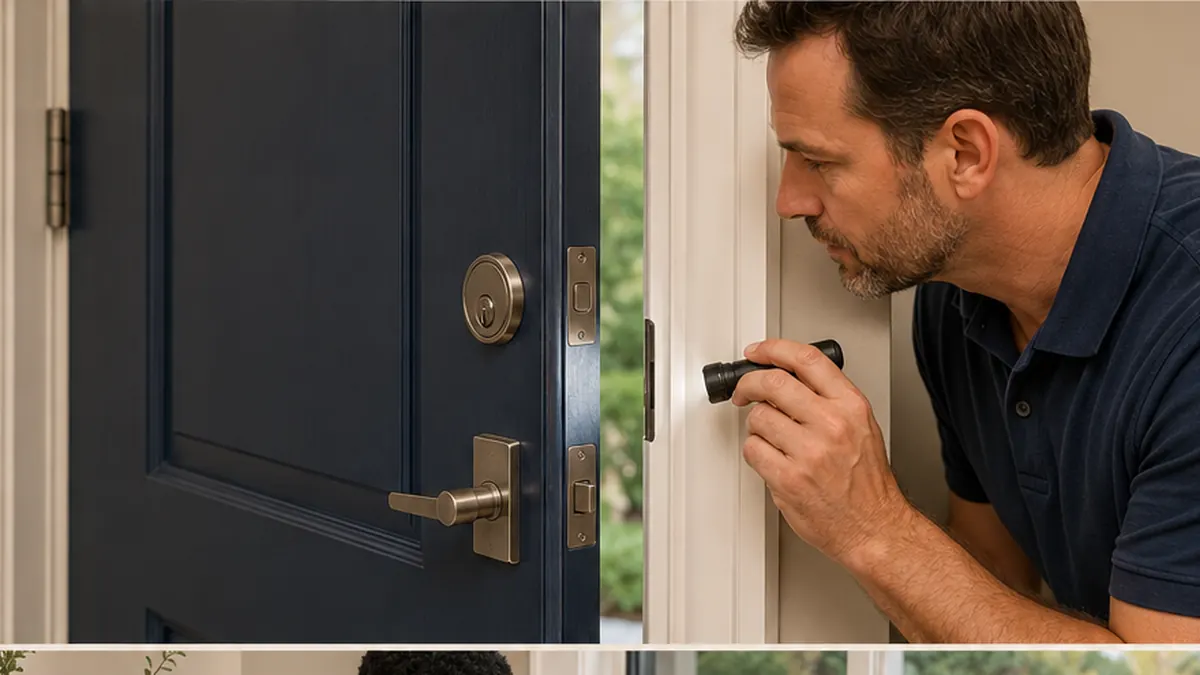
- Review exterior lighting
- Trim only with safety and property rules in mind
- Plan deliveries
- Set a nighttime locking routine
Prioritize findings without fear
Not every issue has equal consequence. Life safety, unsecured openings and compromised credentials are more urgent than finish mismatch.
This distinction matters because the visible symptom is not always the failed component, and a useful request should describe what the complete opening does rather than name a replacement part before inspection. For a planned residential service decision, separating observation from assumption helps the responding independent contractor arrive with better context and reduces the chance that an unrelated alignment, frame, key-control or hardware issue is overlooked.
Work through the condition in a controlled order. Rank immediate hazards. Separate repairs from upgrades.
Request itemized options. Schedule lower-priority work. These observations can be shared by phone or through the service-request form without dismantling the lock or forcing the door.
Address verified conditions in a transparent order. The contractor should still confirm the diagnosis, explain the available scope and provide the price before authorized work begins.
Illustrative scenario: a non-latching garage entry is corrected before matching decorative hardware. The example is not a report of a Heartland customer or completed job; it shows how the same initial complaint can lead to different next steps after the door, frame, lock and access history are considered together.
Avoid absolute claims and pressure based on hypothetical threats. If conditions appear unsafe, someone may be in danger or unauthorized entry may be occurring, move to safety and contact the appropriate public authority before treating the situation as an ordinary locksmith request.
For independent guidance, review Builders Hardware Manufacturers Association's Residential lock and deadbolt standards (opens in a new tab).
How to prepare a useful residential service request
A concise description is more useful than a long guess about the repair. Begin with the address area or ZIP code, whether the opening serves a house, apartment, attached garage, detached building or shared property, and whether you are currently locked out or can still operate another entrance. Identify the door material if known, the visible hardware, what the key or thumbturn does, when the behavior began and whether impact, weather, a move, a lost key or a security event preceded it.
Create a door-by-door checklist. Bring every current key and code-holder list. Take wide and close photographs.
Ask each household member about daily access problems. Photograph the complete door from inside and outside only when it is safe and lawful to do so.
Add close views of the lock, door edge, strike area and any visible damage, but do not publish or send access codes, key-cut details, identification documents or other sensitive information through an unsecured channel. A contractor may request proof of ownership or authorized occupancy directly before entry work.
A request through Heartland is a request for referral and coordination, not a guaranteed appointment or final estimate. An independent contractor must accept the request, confirm timing and inspect or otherwise evaluate the actual condition.
Ask for the contractor’s legal business name, applicable credentials, estimate, payment terms and written 90-day workmanship-warranty details before authorizing work. The contractor—not Heartland—performs the work, collects payment and administers any qualifying warranty.
| Detail | Why it matters | What not to send |
|---|---|---|
| Location and property type | Helps evaluate coverage, access and likely door construction | Do not post a full address publicly |
| Exact symptom | Separates key, cylinder, latch, bolt, alignment and frame concerns | Do not force or disassemble the hardware |
| Access authorization | Entry work requires proof that you control the property | Do not email unnecessary identity documents |
| Timing and safety | Clarifies urgency and whether public emergency help is needed first | Do not remain near a suspected intruder or hazard |
Questions to ask the responding independent contractor
The most useful conversation is specific to the actual opening. Ask what the contractor believes is causing the symptom, what observations support that conclusion and whether the proposed work addresses the full door system or only the visible lock. For a topic such as a home security walkthrough for locks, doors and key control, ask whether adjustment, repair, rekeying, cylinder work or complete replacement are realistic alternatives and what would make one option inappropriate.
Request a written or clearly itemized estimate before authorizing work. It should identify the service-call or diagnostic amount, labor, parts, taxes and any after-hours charge that applies. Confirm who is performing the work and who will appear on the receipt.
If the scope changes after the hardware is opened or hidden damage is discovered, ask for the updated amount and reason before additional work proceeds. Do not rely on a vague low telephone price that excludes every material part of the actual request.
Ask how the completed opening will be tested and which written warranty applies. A participating contractor may provide a 90-day workmanship warranty on qualifying work, but coverage and exclusions belong to that contractor’s invoice or warranty terms.
Confirm whether parts carry separate manufacturer coverage, what records must be kept and whom to contact if the same workmanship issue returns. A clear closeout includes operating the door from both sides, verifying latch or bolt engagement and receiving keys, codes or instructions that apply.
What is the diagnosis?
Ask which component or alignment condition explains the observed symptom.
What is the full price?
Confirm service call, labor, parts, taxes and after-hours charges before approval.
What is warranted?
Keep the contractor’s invoice and written 90-day workmanship-warranty terms.
Wichita-area conditions and practical planning
A Wichita-area walkthrough should reflect the property's neighborhood layout, detached structures, alley or side access, storm exposure and actual household routine without making unsupported claims about local crime. Local relevance should come from the actual property and operating conditions, not from repeating a city name.
Sun exposure, wind, temperature swings, soil movement, door material, building age, traffic and previous adjustments can all influence how an opening fits and operates. Record when the symptom changes—morning versus afternoon, dry versus wet weather, or open versus closed—because a pattern can help separate cylinder trouble from door movement or strike alignment.
Coverage includes Wichita and surrounding communities, but contractor availability varies by location, day, service type and current volume. Emergency requests may often target a response or estimated arrival within about one hour, yet that is not guaranteed.
Weather, traffic, distance, earlier jobs, parts, communications and unexpected operational issues can extend the time. Keep another safe entry available when possible and tell the coordinator if the property cannot be secured while you wait.
For rental homes, apartments, managed properties and shared buildings, contact the owner or manager when required by the lease or building policy. They may control master keys, approved hardware, common doors or payment authorization.
For a recently purchased home, gather closing or occupancy documents and identify every exterior opening before requesting key-control changes. These steps are administrative rather than mechanical, but they often determine what work can be authorized and who should receive the final keys or codes.
Frequently asked questions
Questions readers ask
How often should I review home locks and doors?
Review after moving, lost keys, turnover, damage or major changes, plus a brief seasonal check for operation and alignment.
Do I need a professional security audit?
A homeowner inventory is useful, while an independent contractor can evaluate actual hardware and openings. Specialized risk assessments may require other qualified professionals.
What should be fixed first?
Prioritize life-safety issues, doors that cannot secure, known credential exposure and active damage before convenience or appearance upgrades.
Should every exterior door have the same lock?
No. Hardware should fit the door, use and authorized access group. Consistency is useful only when appropriate.
Are cameras part of locksmith service?
They are a separate layer. Some contractors may discuss related access systems, but privacy, power, network and monitoring require their own plan.
Can the walkthrough use illustrative images?
Yes, but illustrative or generated images are not records of a completed Heartland job unless explicitly labeled and verified as such.
The right solution depends on the specific lock, door, vehicle or garage door system. Check the Wichita-area service pages, then call or send the details for an evaluation.